Analysis of Social Media Business Models
Analysis of Self-Media Business Models
Self-media might be one of the biggest levers for ordinary people today, with low barriers to entry and high potential, and distribution has no marginal cost. This article aims to analyze self-media from a business model perspective, dividing it into three types based on content: direct content monetization, advertising for others, and advertising for oneself.
Direct Content Monetization: Pure Content Production and Consumption
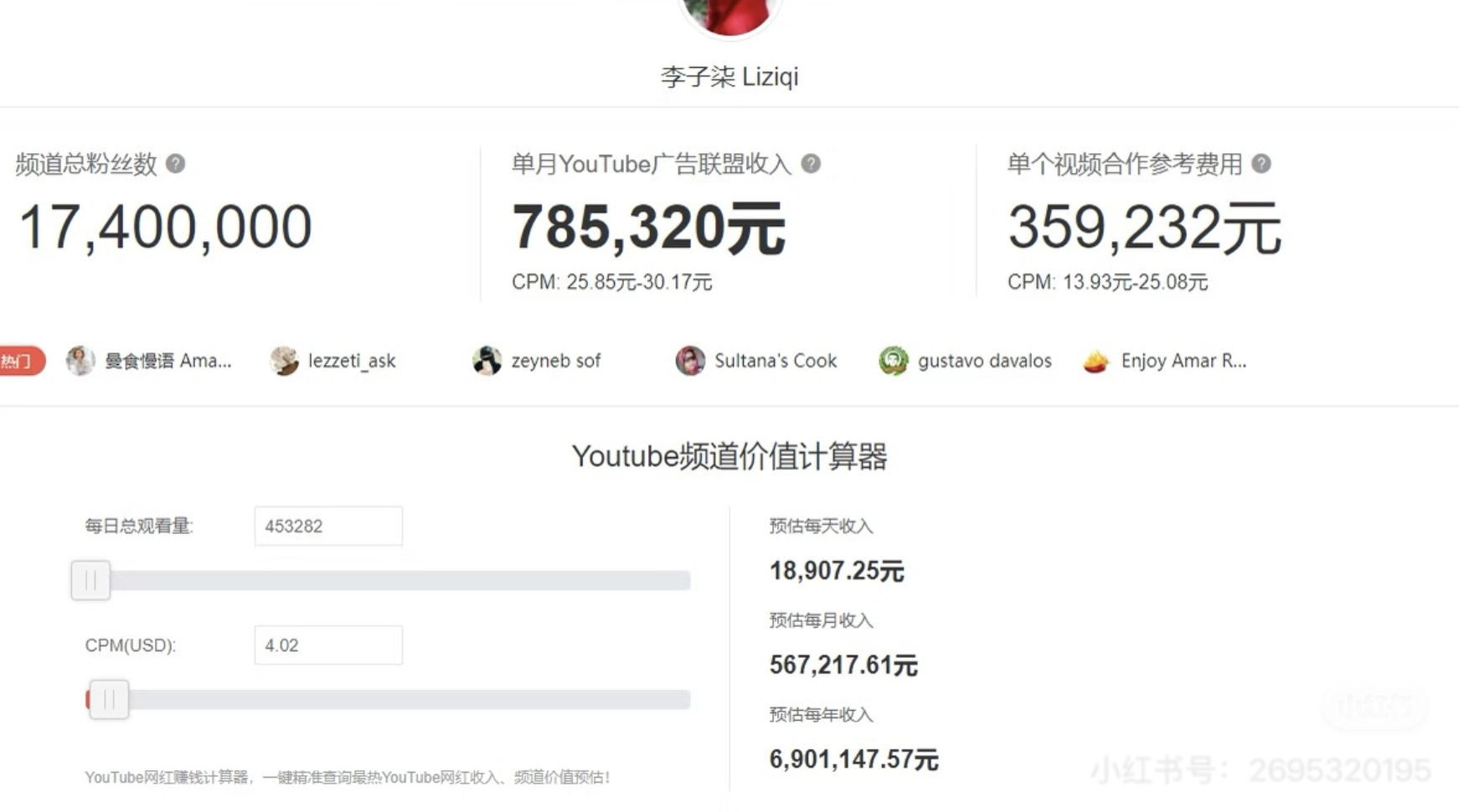
One way is through traffic sharing, earning revenue from platforms (publishers) based on views, such as Bilibili’s creator incentives and YouTube’s ad revenue sharing.
| Platform | Revenue Structure | Typical Monthly Income (1 million views) | Notes |
|---|---|---|---|
| YouTube (Long Videos) | 55% Ad Revenue Share | $800–3000 (approx. ¥6000–22000) | Depends on CPM (higher for tech/finance) |
| YouTube Shorts | Shorts Ad Pool | $100–400 | Significantly lower than long videos |
| Bilibili | Creator Incentives + Charging | ¥1000–3000 | Low incentives, needs additional business deals |
| Douyin (China) | Creator Program | ¥200–800 | Pure play revenue is very low |
| TikTok (Overseas) | Creator Fund | $100–500 | Large national differences |
Another way is direct content charging, similar to the film industry or paid knowledge, usually involving free content plus exclusive videos for subscribers, with the platform acting as a transaction intermediary and taking a commission.
| Platform | Model | Platform Cut | Creator’s Share | Notes |
|---|---|---|---|---|
| YouTube Membership | Channel Membership | 30% | 70% | In-app purchases may incur an additional 15–30% Apple fee |
| YouTube Super Chat | Tipping | 30% | 70% | May also incur Apple fees |
| Patreon | Subscription | 5%–12% | 88%–95% | Plus payment processing fees of about 3% |
| Substack | Subscription Writing | 10% | 90% | Plus Stripe fees of about 3% |
| OnlyFans | Subscription | 20% | 80% | Fixed commission |
| Zhihu Salt Selection Column | Paid Reading | 30%–50% | 50%–70% | Large contract differences |
| Xiaohongshu Paid Column | Courses/Content | 20%–40% | 60%–80% | Specific to contract level |
| Douyin Paid Knowledge | Courses | 20%–50% | 50%–80% | Higher commission for Douyin mini-programs |
| Bilibili Charging Plan | Sponsorship | Minimal or no platform cut | 90%+ | Mainly payment channel fees |
| WeChat Paid Reading | Article Payment | About 30% | 70% | Includes payment processing fees |
Advertising for Others: Monetizing KOL Influence
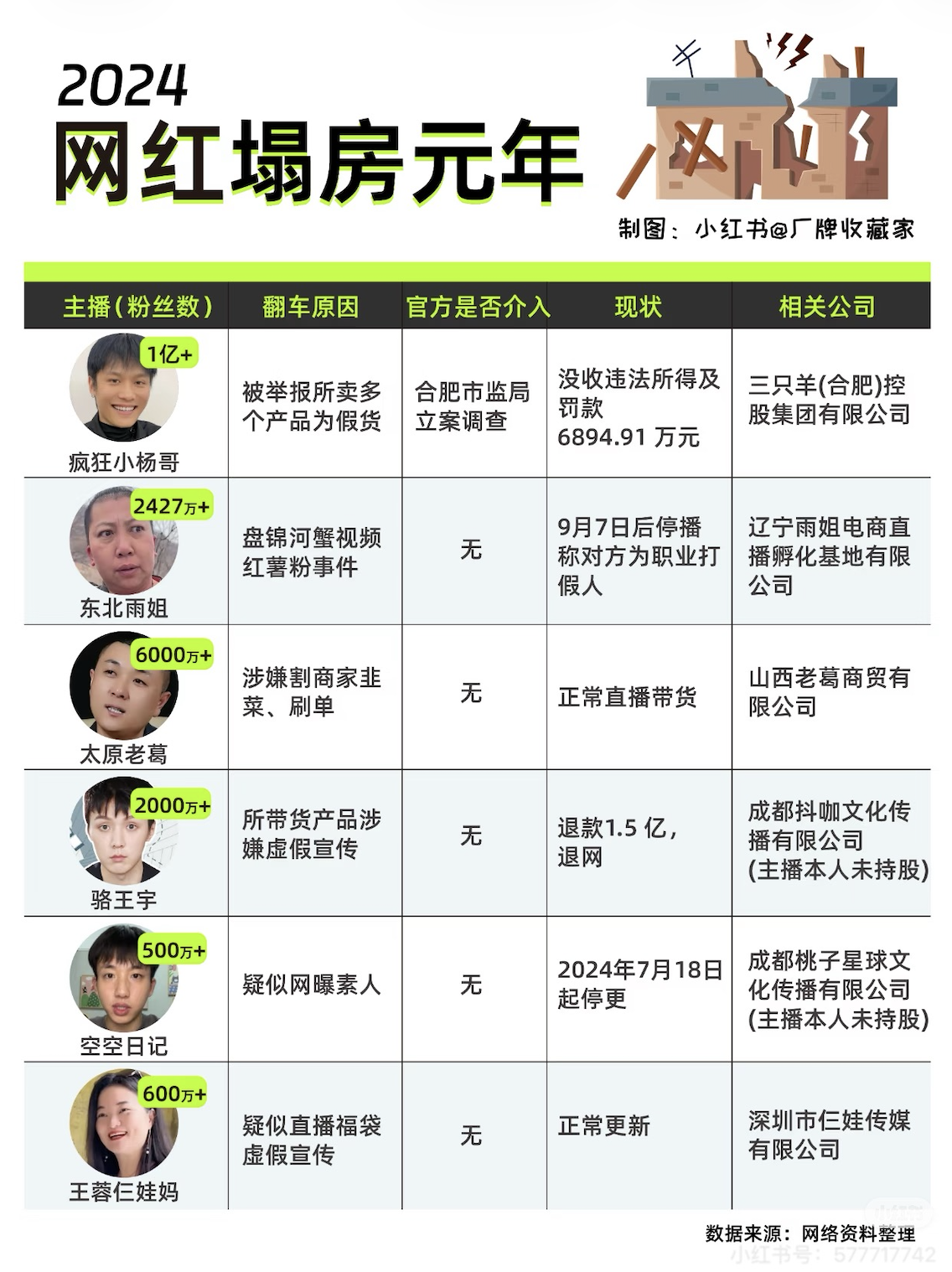
KOLs (Key Opinion Leaders) are similar to legislators, where content monetization is essentially influence monetization. KOLs act as guarantors, renting out their trust network, with a typical form being advertising and product promotion.
Some KOLs focus on niche areas, such as smartphone or car review bloggers. They monetize by embedding business deals in their videos, which requires balancing between building and consuming trust, monetizing fan trust without overconsumption that could lead to a reputation collapse.
Some KOLs adopt a “make as much as possible” mindset for product promotion, while viewers have a “buying is buying” mindset. With a vast array of product SKUs and a loose relationship between the host, brand, and audience, high-frequency promotion inevitably leads to failure, as hosts use their credibility to guarantee uncontrollable products.
Advertising for Oneself: Content as Advertising
Making advertisements that audiences are willing to subscribe to and watch is quite an achievement. This type of self-media, as part of brand marketing, is what I consider the best structural advantage model because both content and products are controllable, making it easier to build brand barriers.
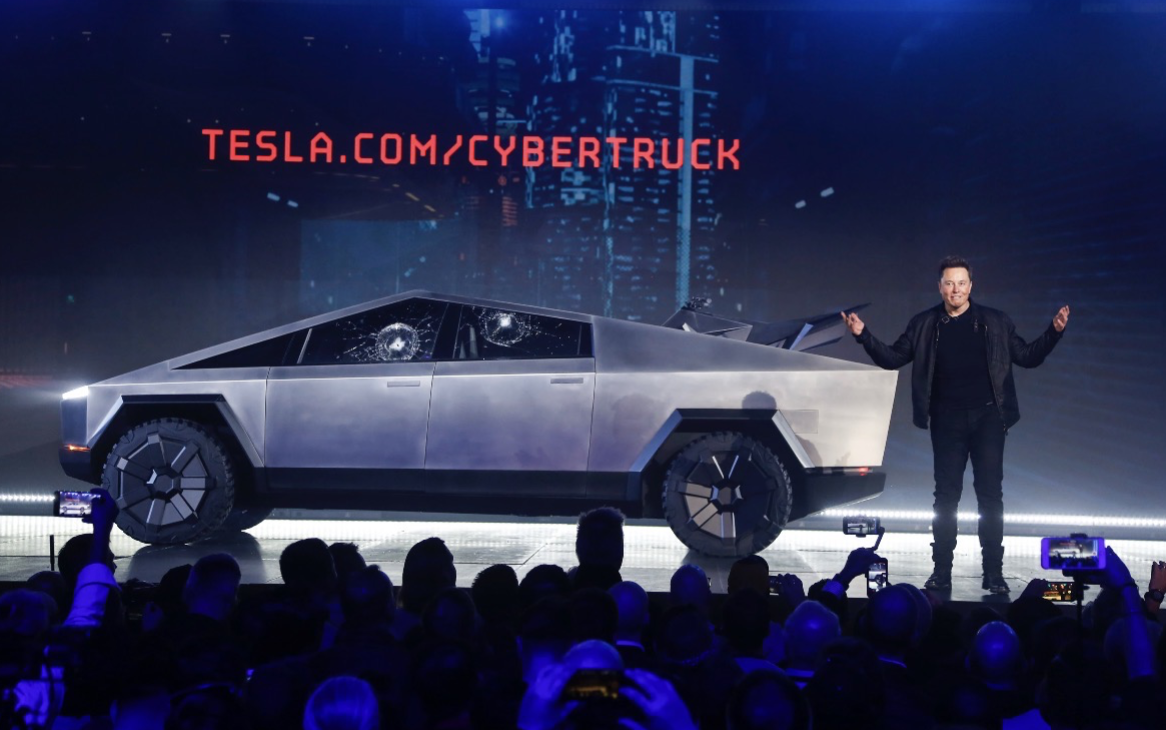
A recently popular approach is entrepreneur IPs, such as Elon Musk with Tesla or Lei Jun with Xiaomi. The successful image and path of the entrepreneur are transferred to the brand image, creating several psychological effects:
1. Imitative Desire Driven by Personal Worship
Admiring a leader who not only does xxx but also uses xxx themselves can spontaneously generate an imitative desire, i.e., “I should also use xxx to align with the leader,” leading to a consumption desire, similar to the logic of luxury goods.
2. Participatory Desire Driven by Grand Meaning
Agreeing with a leader’s vision and wanting to join them in their endeavors can lead to purchasing products for a sense of participation, such as buying a Tesla to support Musk’s space program or buying Huawei to support Ren Zhengfei against the US, a desire with strong religious overtones.
3. Belonging Desire Driven by Identity Recognition
Human nature seems to instinctively cluster, and when a brand is closely tied to a certain group, it creates a desire to “become one of them,” satisfied by purchasing the brand’s products, essentially an identity recognition pledge, such as buying Xiaomi to become a Mi Fan, Huawei to be a patriot, Tesla to be a tech elite, or Hermès to be a wealthy socialite.
Additionally, anchoring a brand to a specific person can enhance trust (if something happens to the product, it’s personal), and purchasing products may offer rare interaction opportunities with the leader (similar to fans buying merchandise).
Another type involves using the production process of products and services as content.
For example, with handicrafts, the production process is filmed as a beautiful video, attracting viewers who become consumers, and the process of making products for consumers becomes content material, driving a cycle between content and products.
Similarly, online live consultation, where the consultation process is desensitized and made into content for viewers, attracts viewers with needs to consult, becoming new content material and attracting more viewers, forming a cycle between content and services.
This model doesn’t require deliberately searching for content material, as consumer demand is the content material, nor does it require seeking potential consumers across channels, as interested consumers are drawn in by the content, creating a very positive cycle.